Still Denied Relief? A 2026 Update for Florida’s Seniors
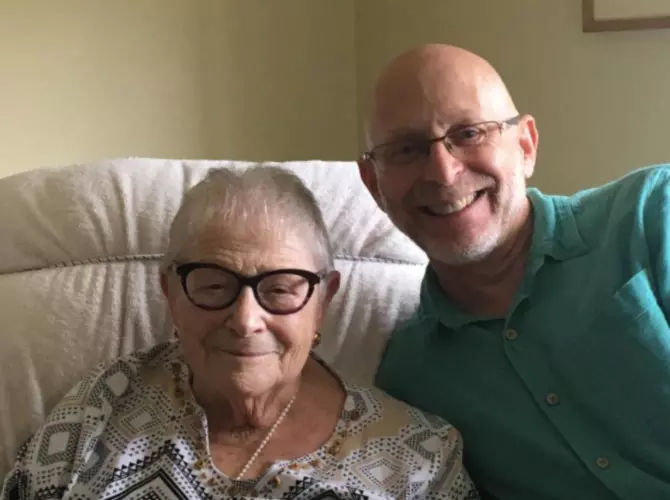
In 2018, we shared the story of a woman in a Florida Assisted Living Facility (ALF) who was denied the right to use her legally recommended medical marijuana. The facility, like many others, hid behind a "federal law" shield to avoid potential risks.
Fast forward to 2026, and while the landscape of cannabis in Florida has shifted dramatically, many seniors still find themselves in the same frustrating position. Here is what has changed—and what hasn't—for Florida’s elderly patients.
What’s New in 2026?
-
The Schedule III Shift: In a historic move, the federal government has initiated the process to move marijuana from Schedule I to Schedule III. This acknowledges, for the first time at the federal level, that cannabis has "accepted medical use."
Why it matters: This change is slowly chipping away at the "federal funding" excuse facilities have used for years. While not a total legalization, it creates a legal bridge that ALFs and nursing homes can finally cross.
-
The Medicare CBD Pilot: A brand new 2026 federal initiative allows Medicare beneficiaries to receive up to $500 annually for hemp-derived CBD products when recommended by a physician. This is the first time federal insurance has touched the plant, signaling a massive shift in how we treat senior care.
-
Permanent Telehealth: Florida law now permanently allows for telehealth renewals of medical marijuana certifications. For homebound seniors or those in assisted living, this eliminates the logistical nightmare of arranging transport for every six-month check-up.
The Roadblocks That Remain
Despite these wins, the 2024 defeat of Amendment 3 (Recreational Marijuana) means Florida remains a strictly medical state. Seniors cannot simply buy products "over the counter." You still need:
-
A diagnosis of a qualifying condition (like Parkinson’s, Glaucoma, or Chronic Pain).
-
An in-person initial exam with a certified MJ doctor (this includes renewals with a new provider).
-
A state-issued ID card.
The "Facility Choice" Problem: Even in 2026, Florida law allows ALFs and nursing homes to set their own "drug-free" policies. While the state gives them the "flexibility" to allow medical marijuana, many corporate-owned facilities still say "no" out of an abundance of caution regarding their federal licenses.
Final Thoughts
The elderly deserve relief more than ever. While the legal barriers are finally crumbling, the institutional barriers in senior living remain the final hurdle. As federal rescheduling finalizes later this year, we expect more facilities to drop their bans and treat cannabis like the medicine it is.
Copyright and Disclaimer
This website is provided for educational and informational purposes only and does not constitute providing medical advice, legal advice or professional services. The information provided should not be used for diagnosing or treating a health problem or disease, and those seeking personal medical advice should consult with a licensed physician. Always seek the advice of your doctor or other qualified health provider regarding a medical condition. Never disregard professional medical advice or delay in seeking it because of something you have read on NMMCS’s website. If you think you may have a medical emergency, call 911 or go to the nearest emergency room immediately. Neither the Company nor its employees, nor any contributor to this web site, makes any representations, express or implied, with respect to the information provided herein or to its use.
All copyrights to the NMMCS web site and its contents are the property of NMMCS unless otherwise noted. No commercial uses are allowed without the prior express permission of National Medical Marijuana Card Services.