The Power of What’s in a Name: Navigating Dispensary Strains vs. Traditional Medicine
Updated: June 22, 2026
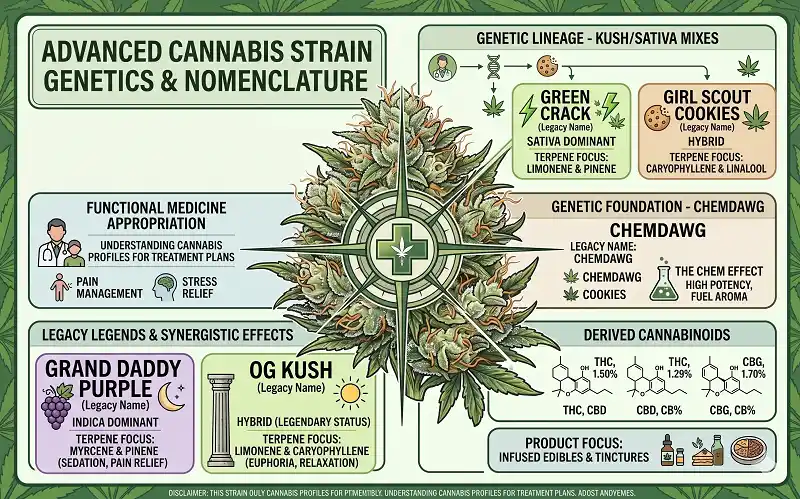
If you have ever browsed a medical cannabis dispensary menu, you have likely run into names like "Green Crack," "Girl Scout Cookies," "Granddaddy Purple," or "Chemdawg." For patients treating serious conditions like chronic pain, epilepsy, cancer, or PTSD, these titles can feel jarring—if not entirely hard to take seriously.
To borrow a classic line from William Shakespeare's Romeo and Juliet: "A rose by any other name would smell as sweet." But when it comes to medicine, names carry weight.
How did we get here, how does it compare to traditional pharmaceuticals, and does the name actually change the relief you receive?
The Vocabulary Divide: Street Names vs. Chemical Monikers
Traditional Western medicine relies on complex chemical names that are often completely unrecognizable to the average person. Consider these common prescriptions:
-
Oxcarbazepine (an anticonvulsant/mood stabilizer)
-
Tizanidine (a muscle relaxant)
-
Amitriptyline (an antidepressant/nerve pain medication)
Because these generic terms are difficult to spell, remember, or pronounce, pharmaceutical companies rebrand them with catchy trade names like Trileptal, Zanaflex, or Elavil.
The cannabis industry operates on a reversed naming convention. Instead of moving from an unpronounceable chemical structure to a polished brand name, cannabis strains grew out of an underground, legacy market. The horticulturists, breeders, and underground scientists who cross-bred these plants named them based on their lineage, aroma, or stark physical effects. Because they discovered or stabilized the genetics, they earned the naming rights.
While "Green Crack" might sound unappealing in a medical setting, it remains highly memorable—serving the exact same functional purpose as a pharmaceutical trade name.
The Corporate Middle Ground: Functional Rebranding
Recognizing that legacy street names can alienate older or more conservative patients, many modern dispensaries have adopted a middle-ground approach. They phase out legacy names in favor of abstract wellness branding, labeling their products with terms like:
-
Zen or Serene
-
Relief or Soothe
-
Calm or Evolve
While these names strip away the lingering stigma of the underground market, they present a different challenge: they sound less like medicine and more like aromatherapy oils, perfume scents, or relaxation tracks.
Moving Beyond the Label: The Science of Selection
Whether a strain is called "Granddaddy Purple" or "Serenity Now," the name itself does not dictate the medical efficacy. What actually matters to your biology is the specific chemical profile of the plant.
Instead of choosing a product based on its name, medical cannabis patients should look at two specific components:
-
The Cannabinoid Profile: The ratio of active compounds like THC, CBD, CBG, or CBN. A high-CBD/low-THC profile will offer drastically different therapeutic outcomes than a high-THC strain, regardless of what the jar is called.
-
The Terpene Profile: Terpenes are the aromatic compounds that dictate the smell and influence the underlying therapeutic effects of the plant (a phenomenon known as the entourage effect). For example, a strain rich in myrcene will promote sedation, while a strain high in limonene or pinene will feel more clear-headed and elevating.
The Bottom Line
Medical cannabis has been utilized globally for thousands of years due to its therapeutic properties and exceptionally high safety profile compared to high-risk alternatives like opioids.
Ultimately, the naming convention comes down to history and culture rather than biology. A bud by any other name will still treat your symptoms. Focus less on the title on the jar and more on the lab-tested cannabinoid and terpene metrics to find the targeted relief you need.
Copyright and Disclaimer
This website is provided for educational and informational purposes only and does not constitute providing medical advice, legal advice or professional services. The information provided should not be used for diagnosing or treating a health problem or disease, and those seeking personal medical advice should consult with a licensed physician. Always seek the advice of your doctor or other qualified health provider regarding a medical condition. Never disregard professional medical advice or delay in seeking it because of something you have read on NMMCS’s website. If you think you may have a medical emergency, call 911 or go to the nearest emergency room immediately. Neither the Company nor its employees, nor any contributor to this web site, makes any representations, express or implied, with respect to the information provided herein or to its use.
All copyrights to the NMMCS web site and its contents are the property of NMMCS unless otherwise noted. No commercial uses are allowed without the prior express permission of National Medical Marijuana Card Services.